Helping adolescents develop positive mental health habits
The Challenge
During my Advanced Design Thinking for Transformation class in the Design Innovation program at UW-Madison, our class was given the task to address a new or amplified issue that was caused by COVID-19. My team and I decided to focus on the mental and physical wellness of adolescents who had to learn how to cope with the everchanging world around them in addition to the current changes that are naturally occurring.
We initially began our project looking at how studies show a decrease in adolescent wellness checkups, more severely in certain areas and demographics. When we dug deeper into the issues we found that the healthcare and insurance systems are broken. While we may not be able to fix the system directly, we can help those affected by its brokenness live a healthier life.
My Role
Served as Team Lead and Design Researcher for the project which included:
Leading internal team coordination and communication
Planning and managing project workflows and timelines
Conducting extensive design research,
Collaborating with the team to synthesize research findings
Co-developed design solution concepts based on research insights
Approach & Methods
In-Depth Interviews
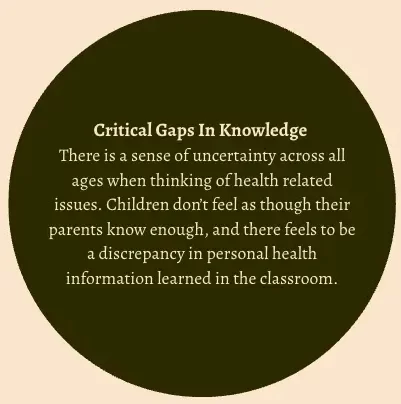
We interviewed adolescents, parents, and teachers to gain better insight on the perceived wellness of the adolescent population. Our interviews remained broad as we were looking for a holistic view of health and where the adolescent may feel they are lacking in resources.
Secondary Research & Online Observations
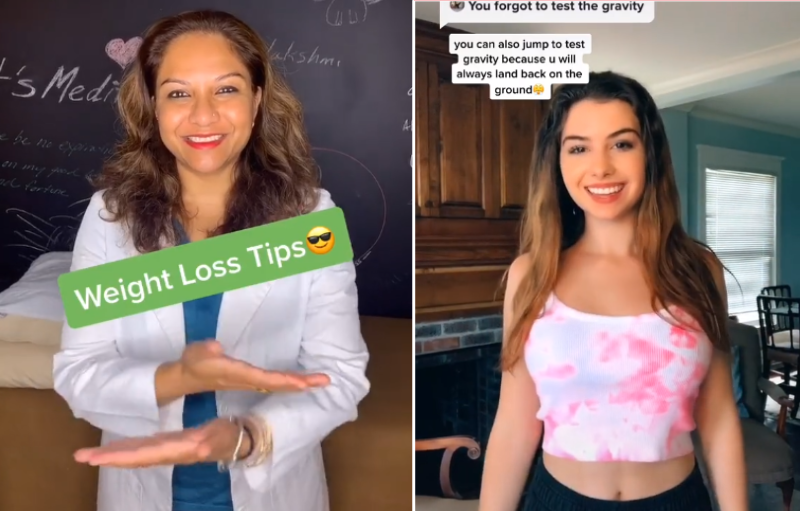
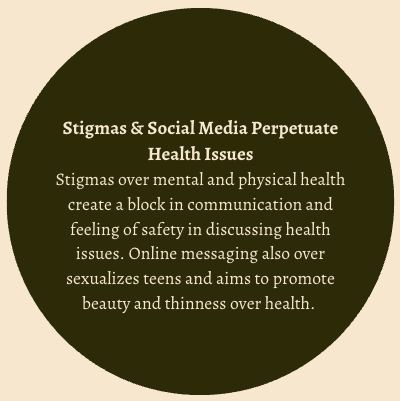
We reviewed common social platforms that adolescents typically engage with to understand what type of messaging and content they are consuming while also understanding how it impacts their day to day behaviors and lifestyles.
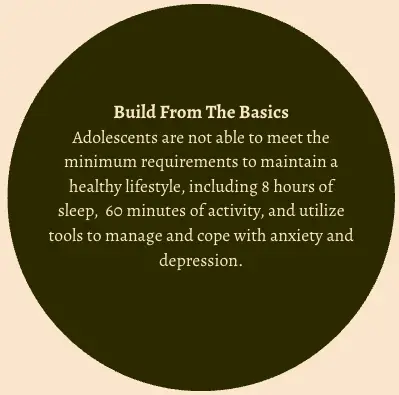
We also reviewed expert research from the World Health Organization that expressed the critical issues that today’s adolescents face.
Key Insights
Defined Opportunity
Focusing on the Teens
We utilized the common themes and research to define the problem and formulate a how might we question to best address the issues that face adolescent heath. We decided to target the age range of middle school to high school (11-18) mainly because this was the age range where adolescents begin to take more ownership of their health.
How Might We
How might we encourage adolescent ownership of personal health while providing sustainable equal opportunities, resources, and accessibility?
Ideation
Initial Ideation
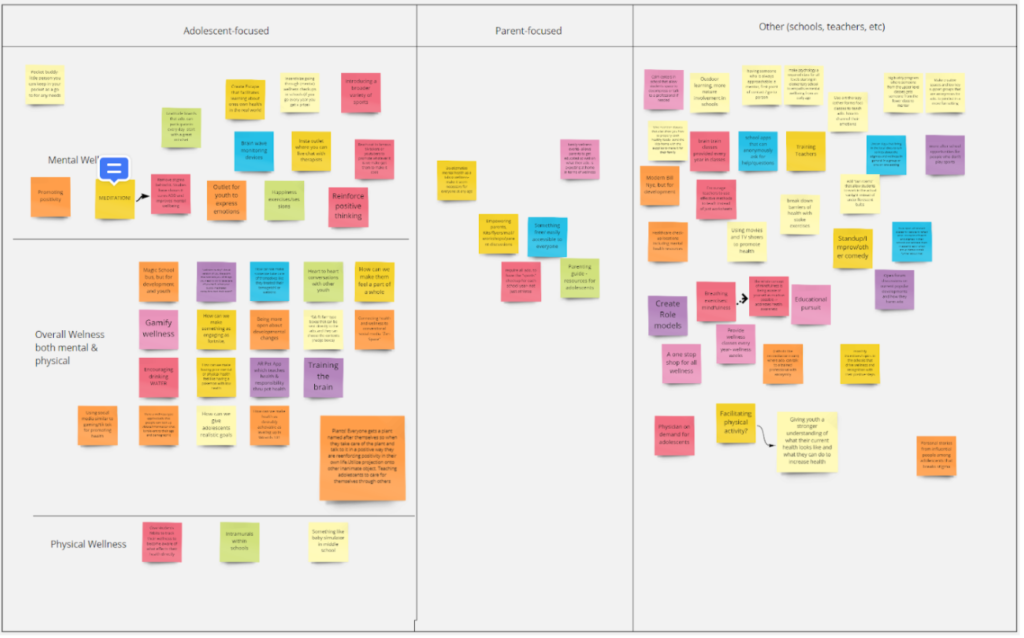
We started out by writing down all possible solutions that addressed our how might we in the Miro interface. We then grouped all of our ideas based on who it impacted or targeted (adolescent, parent, teacher) and what area of health (mental, physical, both).
Focusing Ideation
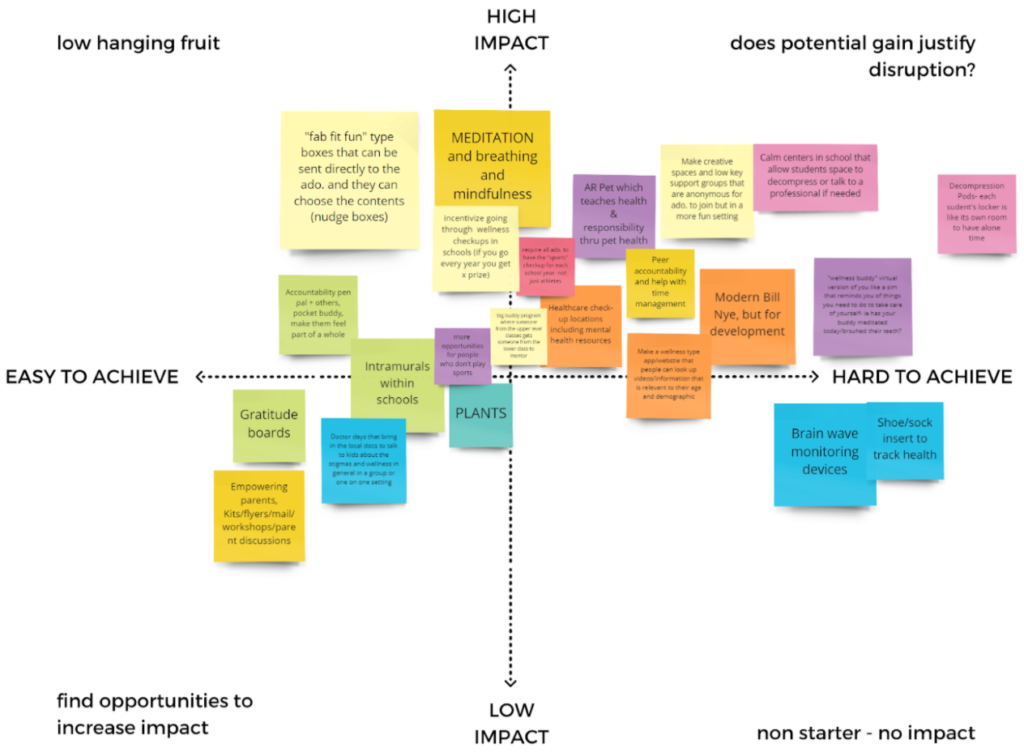
When focusing our ideas, we wanted to find a probable solution with a high impact to empower the adolescents to take ownership of their mental and physical health.
Solution Selection
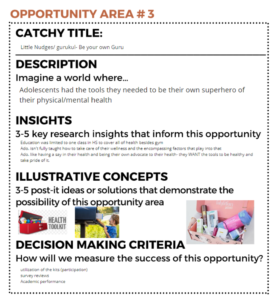
The opportunity area that we decided to move forward with addressed both mental and physical health with personalized subscription boxes. Each student would be able to access information on health topics and try samples of different products. The box was also inspired from the students who recalled getting free samples during their health talks as the highlight of the experience. In addition, teachers assured that students are thrilled when they get to pick out their own samples during health days.
Prototyping
As we began prototyping, I took on the role of UX designer. While at the time I lacked UX design experience, I utilized this opportunity to learn new tools and get feedback on how to improve within this area of prototyping. From this initial prototyping, I received professional industry feedback and improved on the app design in the next iteration.
Heyday Subscription Boxes
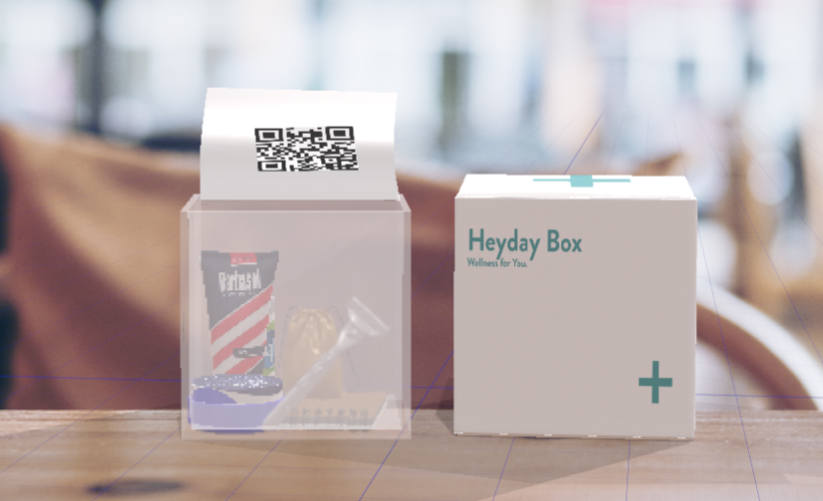
The Heyday box was created to be gender neutral in appearance and comes with test samples of age appropriate healthcare items and different informational items that are requested from their specific profile. Each box would be tailored to the individual. The QR code at the top of the box would allow the adolescent to scan the box and get more information on the contents of their box. Each box would be sent out on a quarterly basis through the schools to ensure that every student is able to receive one. The name Heyday was inspired by its meaning of the stage or period of greatest vigor, strength, success, which is everything we wanted for these adolescents.
Heyday App
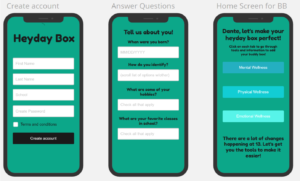
The app interface is a calming green with fun, age appropriate text. The app then gathers the student’s school email, age, identifier, hobbies, and classes. The adolescent would then click on each of the three areas of wellness to delve more into specific topics that they want to get more information about. These three topics include mental, physical, and emotional wellness.
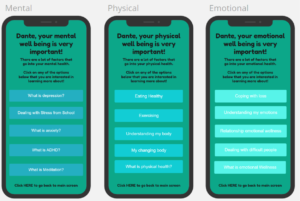
The next screens show what the three topics may then dive deeper into depending on the student’s age and how they identify. Each button will allow them to explore each topic and add in the educational and/or samples to their specific box. Once they have completed each, the adolescent can return to the app to find more online resources.
Testing
Desirability
The Heyday box was extremely desirable for not only the adolescents, but also for the parents and teachers. When reaching out to our past interviewees, they were excited by the idea but questioned how we would address everything someone in that age could be experiencing, especially across the different areas of health.
Feasibility
The Heyday box would rely on partnerships with schools, CPG health and wellness producers (Proctor Gamble, Unilever, Pfizer), local wellness centers in order to fund and distribute the boxes quarterly. The boxes could be a goodwill marketing move for CPG health and wellness companies to get their brand in front of potential new customers, enticing these companies to want to donate.
Logistically the boxes could either be assembled in a warehouse where the materials are stored or assembled quarterly at the school itself. This would rely heavily on the amount of funding and product donations.
Viability
The Heyday box could be viably funded through donations or partnerships such as give a box get a box. Distribution would rely heavily on the schools to ensure each box is given to the correct student.
Iterations
After testing the Heyday concept with adolescents and industry professionals we identified the main issue is we are trying to encompass all possible areas of mental, physical, and emotional health, which may be too vast for the Heyday quarterly box. We decided that moving forward we wanted to traget the building of positive mental habits in adolescents. We reconstructed our how might we to reflect this new direction. In addition, we took key components from Heyday and prototyped a new application.
How might we introduce and build positive mental wellness habits in middle & high schoolers?
Prototyping
Euonia (you-know-ya)
Eunoia is a journey to mental resilience and illness prevention, through a rewarding wellness application, while also teaching mental health in a fun and personal way. The Eunoia program will start in the 6th grade to target pre-teens entering into teen years. Eunoia focusing on building the positive mental habits of breathing techniques, meditation, and journaling while rewarding the individual for their growth journey.
We decided to name the app name “Eunoia” as it is pronounced like you know ya, inferring that mental health is the key to knowing yourself. Eunoia also means well mind; beautiful thinking.
Sign-in Page
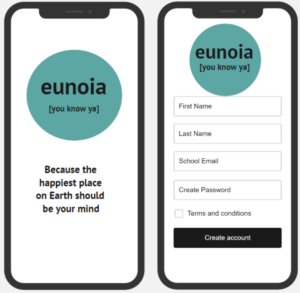
Within the sign on page we included school email as the program could be directed by the schools. We also used a cleaner layout and format so that the app is more accessible to read.
Home & Activity Page
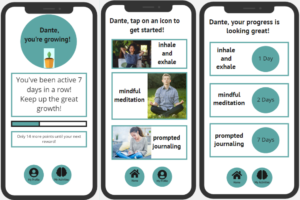
The Home page shows the progress of the growth and how close the user is to rewards.
The activity page shows the three different activities that an adolescent can choose to pick. The progress page shows how many days they have participated in each of the three activities.
Inside Each Activty Page
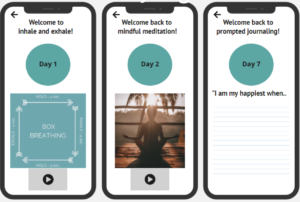
Each activity page would appear as the screen shots on top. It would display the day you are on for that activity and a video of the activity featured below.
Once an adolescent reaches 30 days on an activity, they can redeem virtual incentives or incentives defined by the school.
Assessment of Updated Prototypes
Desirability
Eunoia combines the reward driven participation that the targeted middle and high schoolers enjoy alongside the app functionality that appeals to this age group. When we discussed this app with the past interviewees, they were excited by the game and earning possibility aspect and also appreciated how simple it was to start. Teachers looked at this as a great tool to use to help guide students to learn better mental health habits outside of school.
Once an adolescent reaches 30 days on an activity, they can redeem virtual incentives or incentives defined by the school.
Feasibility
The only constraint would be the development of the app which requires funding. Once that is completed, it is up to each school to decide whether they want to adjust for their own preferences (rewards, ID type, etc) or stick with the default option.
Viability
The new application can be driven by the schools themselves, which would allow the rewards (virtual or physical) to be chosen on the district level. Since it is also reliant on the app itself, the school can use it with specific grade levels to test before implementing with the entire school.